


Tattoo Healing Stages: What to Expect, Day by Day
A new tattoo heals in stages, and each one looks a little alarming the first time. Here is what you will see and feel from day 1 to month 3, what to do at each stage, and what changes in Bali's heat and humidity.

Tattoo healing usually happens in stages: a few days of tenderness, then tight skin and the first flakes, peeling and itching, a cloudy stage, and finally settled skin. The timings below are a typical pattern that many people notice, not a rule, and every body heals at its own pace.
This is general information, not medical advice. The aftercare guidance your artist gives you is the final word for your piece, and a doctor is the right person for any health worry.
Tattoo healing stages at a glance
| Stage | What many people notice | What to do |
|---|---|---|
| Days 1 to 3 | Redness at the edges, tenderness | Follow your artist's covering and cleaning routine |
| Days 4 to 7 | Tight, dry skin, first small flakes | Keep to the routine, hands off |
| Week 2 | Peeling and itching | Don't scratch or pick |
| Weeks 3 to 4 | A dull or cloudy look | Be patient before judging it |
| Months 1 to 3 | Lines settle into their final look | Ask your artist if anything needs attention |
How long does a tattoo take to heal?
It varies. Many people find the surface looks healed after a few weeks, while the tattoo can take longer to look like itself. Larger, denser pieces and spots that bend or rub a lot often take longer than a small piece on a forearm. Your artist can tell you what to expect for your piece.
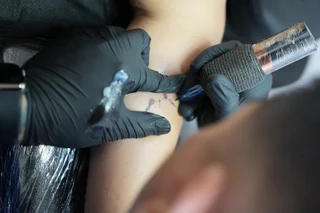
Days 1 to 3: tenderness
What many people notice. Some redness around the edges, mild swelling and tenderness, a bit like a graze. If your artist used a protective film, ask them what to expect underneath it.
What to do. Follow your artist's advice for the covering and the cleaning routine. Clean hands, clean clothes and clean sheets help.
Days 4 to 7: tight skin and the first flakes
What many people notice. The redness starts to fade, the skin can feel tight and dry, and small flakes may start at the edges.
What to do. Keep following your artist's routine. If you're unsure how much of anything to use, ask them.
Week 2: peeling and itching
What many people notice. This is often the stage that looks worst. The tattoo may peel like a sunburn, flakes can carry colour, and it may itch.
Why you shouldn't scratch or pick
Artists consistently ask clients to leave peeling skin alone and let it come away by itself, because picking can disturb the healing tattoo. Leave the loose bits alone too.
When it itches
Try not to scratch. Ask your artist what they recommend for itching, and wear loose clothing and stay in the shade, since heat can make itching feel worse. If the itch comes with a rash or swelling, see a doctor.
Not sure whether what you see is normal? Message the studio that did your tattoo, and see a doctor if you're worried.
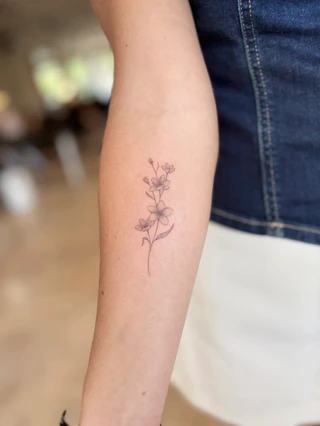
Weeks 3 and 4: the cloudy stage
What many people notice. The peeling is over, but the tattoo can look dull, milky or patchy for a while. This is a common stage of healing, so wait before judging the result.
What to do. Be patient, and ask your artist when the sea, pools and sunscreen are fine for your piece.
Months 1 to 3: settling in
What many people notice. The cloudiness clears and the lines settle. Fine line work often looks softer once healed than on the day, and our article on how fine line tattoos age talks about what to expect.
What to do. Judge the tattoo now, not earlier. If a line healed light or a spot needs attention, ask the studio that did it about a touch-up once it has fully healed.
What changes in Bali's heat and humidity
A Bali holiday puts a healing tattoo in situations most aftercare advice asks you to avoid:
- Sweat. Common advice is to go easy on the gym, long hikes and big nights while it heals.
- Sun. Keep a healing tattoo in the shade and under loose clothing.
- Water. Most aftercare advice keeps a new tattoo out of the sea, pools and hot tubs until it has healed. The Bali aftercare guide on this site sets out the general advice.
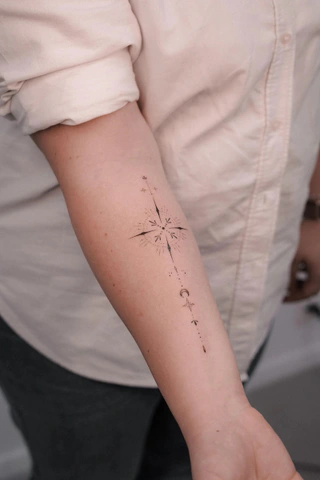
When healing is not normal
If things get worse instead of better after the first few days, such as more redness, swelling, heat or pain, any discharge, or you feel unwell, see a doctor and let your studio know. Don't wait it out on your own, and don't treat it with something from the beach shop.
Questions about your healing tattoo
If it's your first tattoo and you're still deciding, start with our Canggu studio, or browse our fine line page. If you're already healing a piece from us, reply in your WhatsApp thread with any question.
Why does my tattoo look faded while it heals? A cloudy or patchy look is a common stage of healing. Wait until it has fully healed before judging it, and ask your artist if you're unsure.
Is it normal for a tattoo to peel like a sunburn? Peeling is a common stage, and the flakes can carry some colour. Leave them alone, and ask your artist or a doctor if something worries you.
When is a tattoo fully healed? It varies by person, size and placement. The surface often looks healed after a few weeks, and the final look can take longer. Your artist can tell you what to expect.
When can I get a touch-up? After it has fully healed, so your artist sees the final result rather than a stage of healing. Ask the studio that did it.


