


Piercing Pain Chart for the Ear, Face and Body
A placement-by-placement comparison of common piercing sensations, with a closer look at lobes, cartilage, septum and the time you may need for aftercare.

Our piercing pain chart starts with the lobe, which people often describe as a quick pinch. A helix or conch can feel sharper or more like pressure. An industrial involves two points on the ear, and a nipple piercing is often described as more intense. Use the chart to compare sensations and decide what to ask the piercer. Placement, your anatomy and how you experience pressure all matter.
Piercing pain chart for ears, face and body
Each row describes the sensation or the part of the appointment that tends to stand out. The chart uses descriptions so you can compare what you are most worried about. A quick, sharp pinch and a deeper feeling of pressure may register quite differently for you. If you're deciding between two piercings on the same ear, think about the jewellery you want to wear and how the placements will work together.
| Placement | How it is commonly described |
|---|---|
| Lobe | Quick pinch, soft tissue |
| Stacked lobe | Quick pinch, each one |
| Helix | Sharp, then a dull ache (cartilage) |
| Forward helix | Sharp, small area of cartilage |
| Flat | Firm cartilage, steady pressure |
| Conch | Thick cartilage, deep pressure |
| Daith | Thick inner fold, sharp and short |
| Rook | Thick fold, sharp and short |
| Tragus | A firm pinch near the ear canal |
| Industrial | Two cartilage points in one visit |
| Nostril | Sharp, eyes may water |
| Septum | Quick pinch or pressure, depending on placement |
| Eyebrow | Pinch, surface piercing |
| Lip (including labret) | Quick, soft tissue |
| Navel | Pinch, then pressure |
| Nipple | Often described as more intense |
| Dermal/surface | Depends heavily on placement |
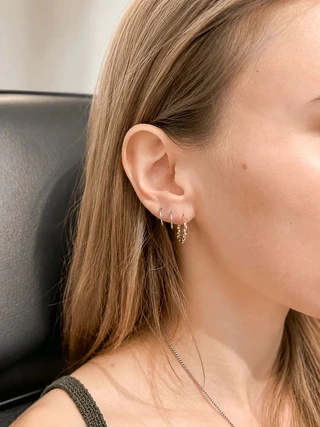
What is the least painful piercing?
A lobe piercing is a good one to discuss first if you want to start with a soft part of the ear. A stacked lobe adds a second decision about spacing and jewellery. Bring a photo of the combination you're trying to build. You can ask which point to start with and whether both marks fit the space you want to use.
People can also describe a lip or eyebrow piercing as brief. Check suitability and the fit of the jewellery before choosing based on that comparison. If you're considering a septum because you want the jewellery centred, ask where the piercer would place it on you. Your anatomy determines whether a given placement is suitable.
What is the most painful piercing?
Helix and conch
A helix piercing sits on the upper outer rim. Some people describe a sharp pinch at that point. The conch sits in the bowl of the ear, and people often describe the sensation there as deeper pressure. Try tracing where a pair of headphones sits before you choose between them. Tell your piercer if you use earbuds on long flights or wear a helmet most days. They can discuss that with you when you choose which side to pierce.
Industrial and nipple
An industrial involves two ear placements that need to line up for one bar. Ask a piercer to show the two points and check your ear's shape before deciding whether you want it. Nipple piercings are often described as more intense in the moment. If that's the placement you want, ask the piercer to talk you through each step so you know when to expect the pressure or pinch. If you'd like two piercings, ask what it's like to get them in one visit and what it involves to space them out.
If you're comparing two placements, send your questions to where to get pierced in Canggu. Tell us which jewellery styles you like and which placement you want to ask about first.
Compare piercing placements on WhatsApp
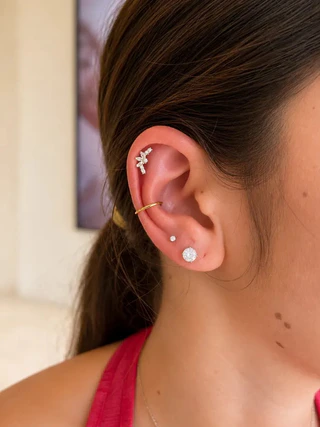
Daith, rook and tragus
A daith or rook sits in a fold of cartilage inside the ear. If you're considering one or the other, bring a photo of the jewellery style you like and ask the piercer to point out each possible placement. For a tragus, tell them if you usually wear earphones and ask how that affects your choice of side. If you're putting together several piercings, ask what order would make sense to get them in.
Piercing pain and healing are different questions
When deciding what fits your trip, ask about both the appointment and the time that follows it. The Association of Professional Piercers' FAQ explains that healing times differ by placement and notes that ear cartilage can take six months or longer. Ask your piercer for their estimate for the placement you're considering. For concerns about infection or another medical issue, see a doctor.
For a helix, mention whether you tend to sleep on that side. The Association of Professional Piercers' aftercare guidance advises against sleeping directly on a healing cartilage piercing because the pressure can irritate it. If you are choosing between your ears, think about which side is most practical for daily wear. Our piercing healing guide covers the questions to ask at your appointment.

Planning a piercing appointment in Bali
Narrow the options to one or two placements. Look through our piercing services for photos and the Bali piercing price guide for the menu. Tell the piercer which side you're thinking about, if there is jewellery there already and what combination you eventually want. If it's your first time, ask them to describe what happens between marking the spot and fitting the jewellery. You can also ask how to signal if you want more time to look at the placement.
Choose the Amor Fati studio that fits your itinerary. If Bali is one stop on a longer trip, mention when you are leaving and which activities are already booked. Bring up swimming, diving or any regular gear you wear over the planned placement. Ask what those plans mean for aftercare before you book. For a curated ear, share a photo of the jewellery you wear now and say whether you want to build the look in one visit or gradually.
If you've settled on a piercing or want help choosing, send us the two placements you're considering and the days you are free. We'll discuss which appointment makes sense for your plans.
Which ear piercing usually feels gentlest? The lobe is often described as a quick pinch. A helix or conch can feel different because it is in cartilage.
What does a conch piercing feel like? People often describe pressure in the bowl of the ear. Ask your piercer how they would place it on you.
Does a septum piercing hurt? A septum can feel like a quick pinch or pressure. The placement depends on your anatomy, so ask the piercer to show you where they would put it.
How long does cartilage take to heal? The Association of Professional Piercers says ear cartilage may take six months or longer. Ask your piercer about the placement and aftercare before you book.


