








Tattoo Placement Guide: Choosing Where to Get Your Next Ink
Where to put your next tattoo: how placement changes pain, healing and the way a design ages. An honest guide from artists who tattoo in Bali every day.
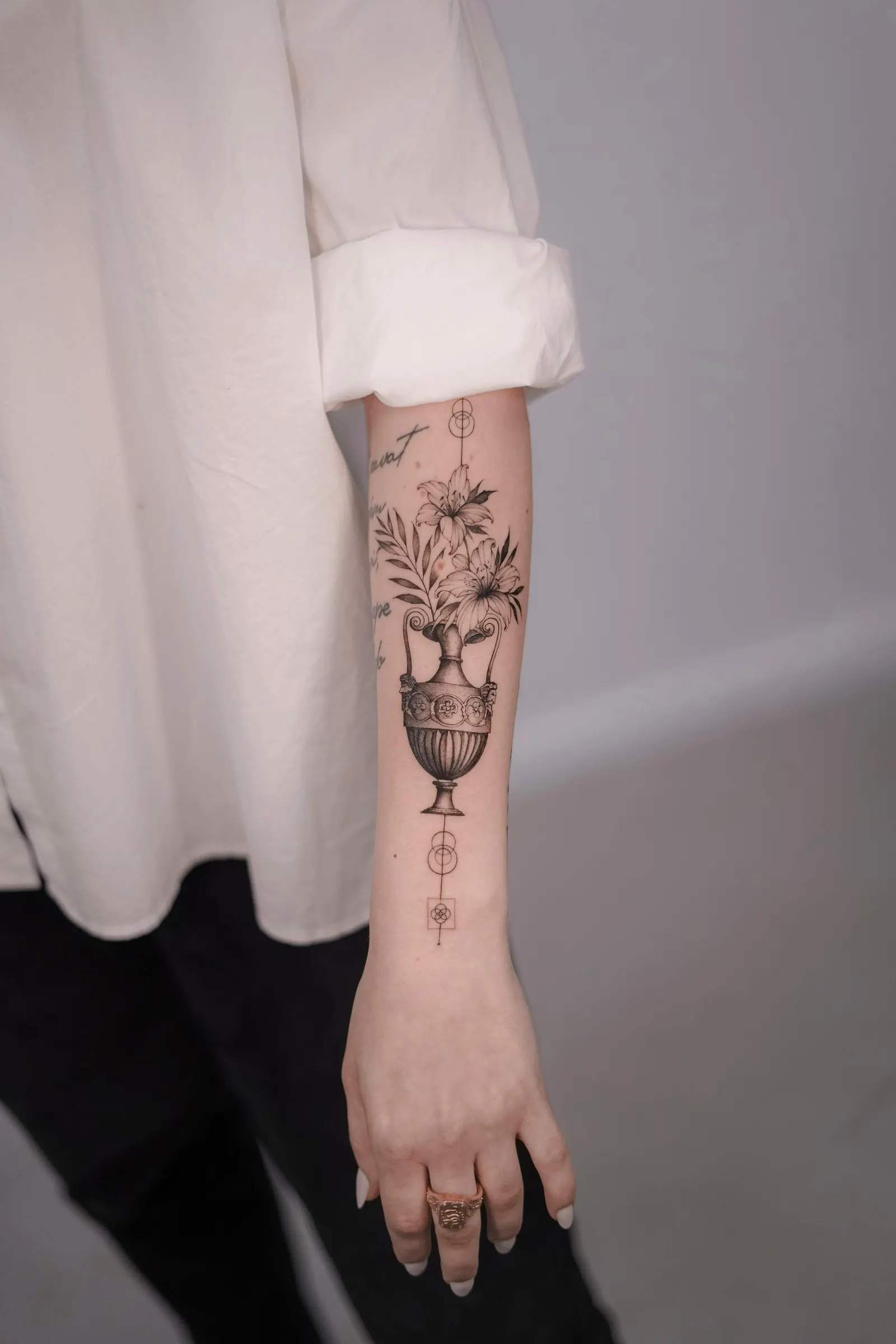
Where you place a tattoo changes everything — how it looks, how much it hurts, and how it interacts with your body as you move and age. At Amor Fati, we spend as much time on placement as we do on the design itself.
Placement by Pain Level
Pain is relative, but anatomy is consistent. Generally:
- Lower pain: outer arm, outer thigh, calf, upper back
- Moderate pain: inner arm, shoulder blade, chest
- Higher pain: ribs, spine, sternum, feet, hands, behind the knee
- Sensitive: inner wrist, neck, inner elbow, ankle bone
Placement by Visibility
Consider your lifestyle and profession. Placements vary from completely concealed to constantly visible:
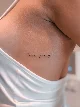
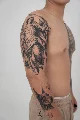
- Hidden: upper thigh, ribs, back, upper arm (sleeve-coverable)
- Semi-visible: inner wrist, collar bone, ankle
- Always visible: hands, neck, face
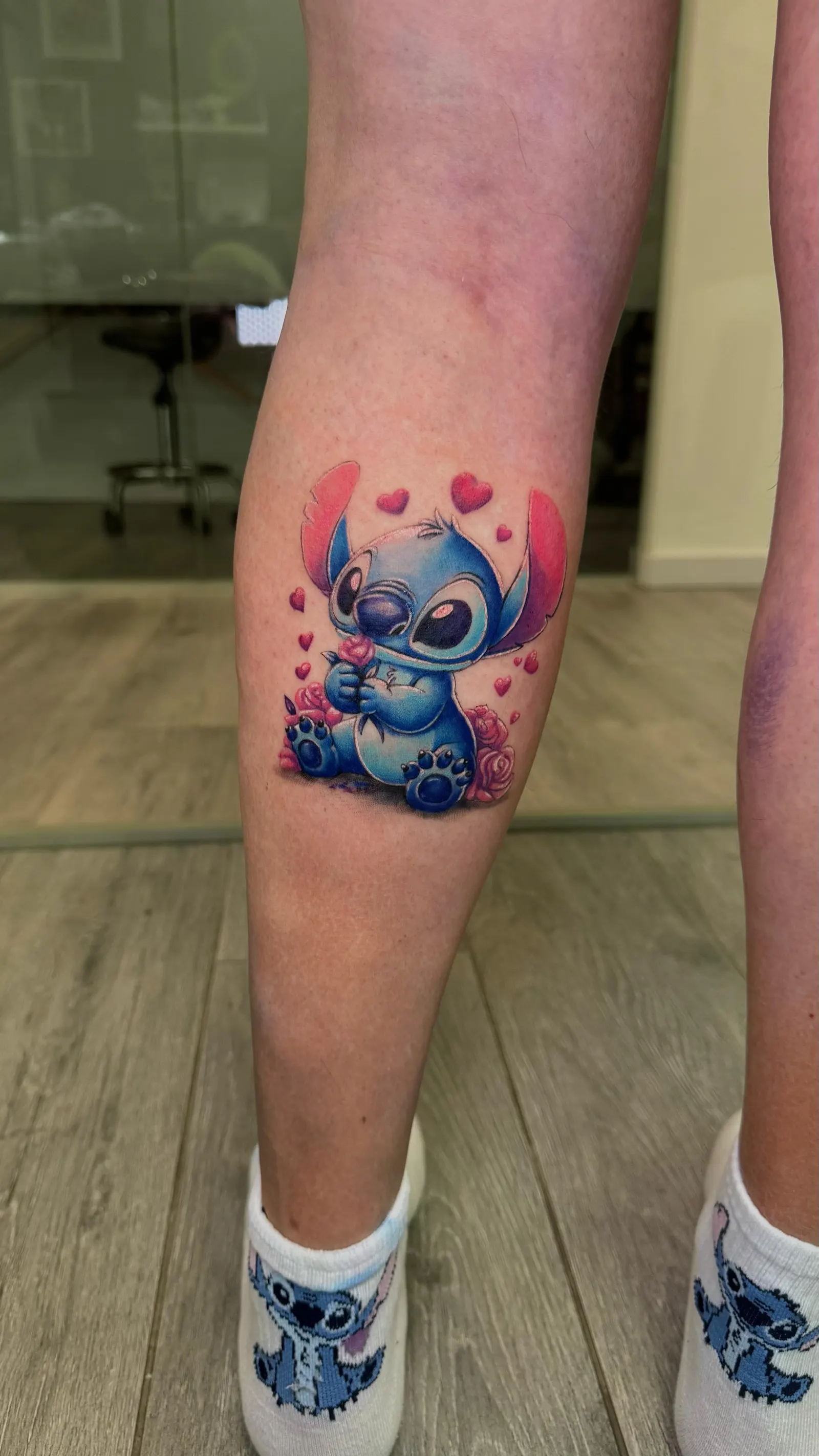
How Placement Affects Design
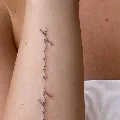
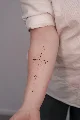
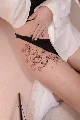
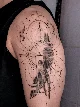
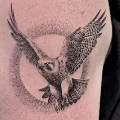
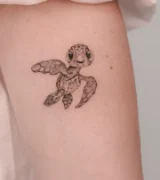
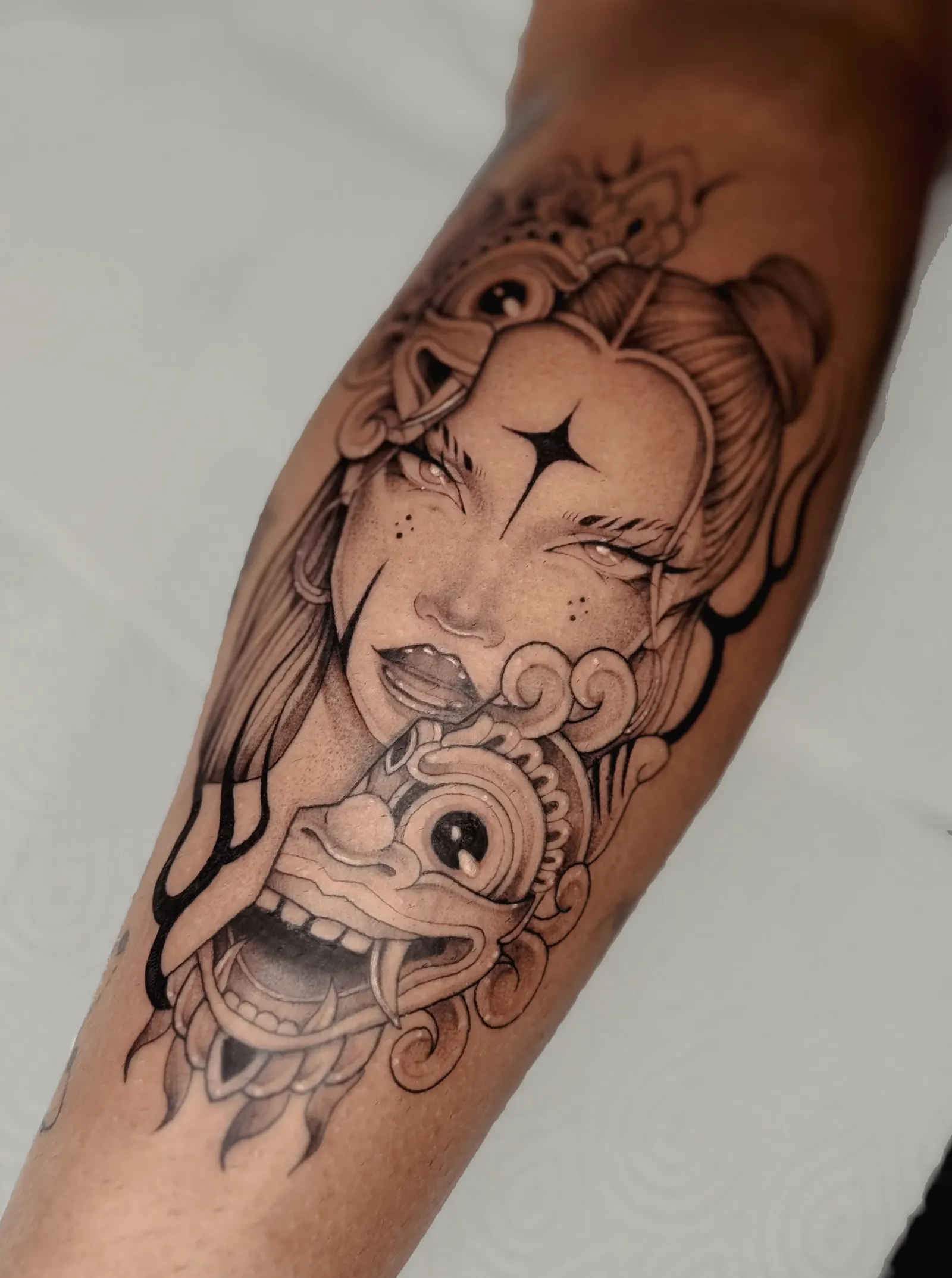
The contours of your body are the canvas. Curved placements like the ribs or arm wrap naturally guide compositions. Flat areas like the back or thigh allow for larger, more detailed pieces. Your artist will adapt your design to flow with your body — this is where craftsmanship becomes artistry.
Our Recommendations for First Tattoos
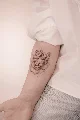
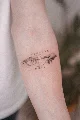
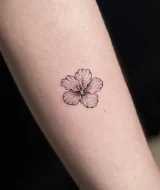
For a first tattoo, we typically recommend the outer forearm, upper arm, or calf. These areas are easy to see during the session, moderate in pain level, and heal reliably well.
Great placement doesn't just frame a tattoo — it makes it feel like it was always there.
Unsure where to place your piece? Come in for a consultation at Amor Fati in Canggu, Seminyak, or Uluwatu, Bali. We'll guide you.